Which Flowers Produce the Least Pollen?
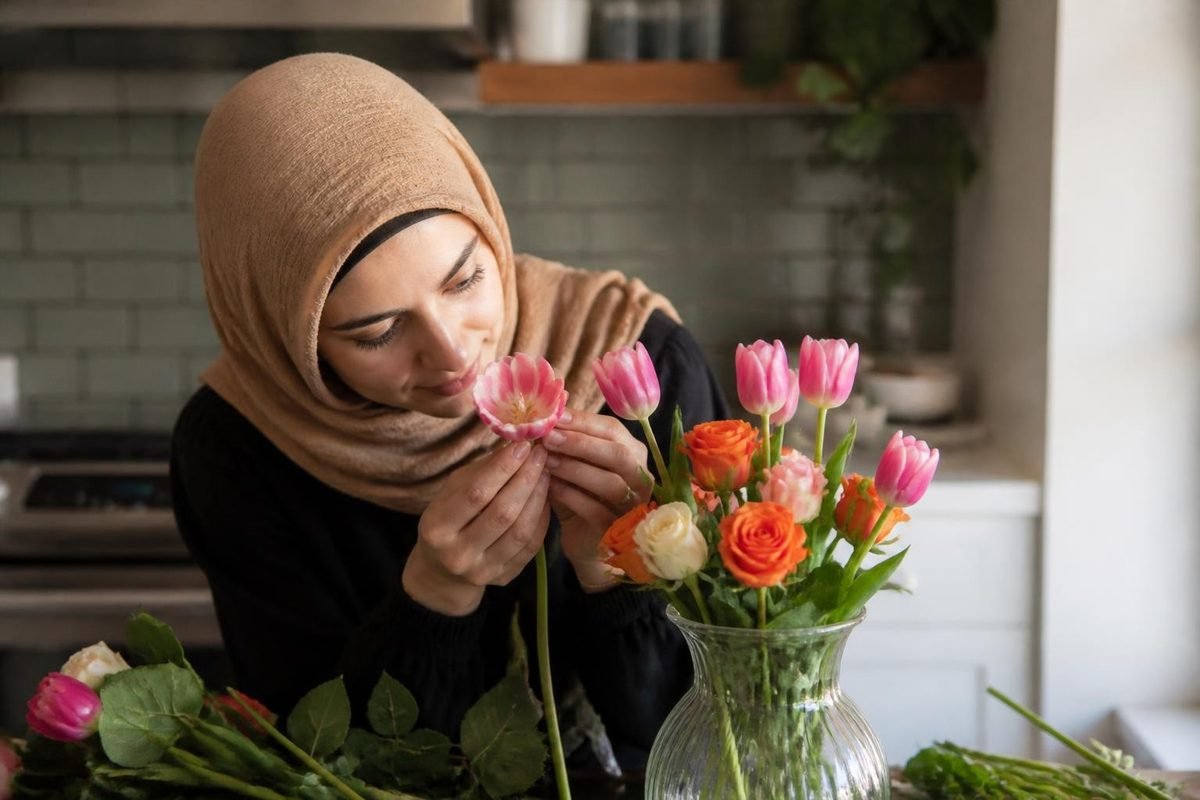
Roses, orchids and tulips are often good choices for people with pollen allergies because their pollen is less likely to drift through the air than pollen from grasses and trees. No flower is guaranteed to be symptom free, so choose carefully and pay attention to your own reactions.
The amount of pollen a flower produces can vary by type and variety. For a bouquet, the more useful question is often how much pollen is exposed and likely to spread around a room.
Flowers worth considering
Roses have relatively heavy, sticky pollen that insects can carry. Many roses have layers of petals around their pollen bearing parts, which can help keep pollen contained. A rose with an open center exposes those parts more readily.
Orchids are another option. Their pollen is typically grouped in small masses rather than released as loose dust. They can be useful as cut flowers or flowering houseplants, though individual sensitivities still matter.
Tulips have pollen inside the cup of the bloom. Their pollen is not usually carried far by wind, but the exposed parts can still transfer pollen if touched. Choose blooms that are just beginning to open if you want to limit contact while arranging them.
Hydrangeas are also worth considering. Many common garden hydrangeas have large, showy flower clusters in which some flowers are sterile. The makeup of a cluster varies by variety, so do not assume that every hydrangea is pollen free.
What to look for in a bouquet
Look closely at the center of each bloom. A flower with a prominent, powdery center may shed visible pollen onto petals, furniture or clothing. Flowers with more enclosed centers can be a practical choice, especially if the bouquet will sit on a desk or bedside table.
Double flowers, which have extra petals, can sometimes have fewer exposed pollen bearing parts than single flowers. This is not a rule for every variety, so inspect the actual stems rather than relying on the name alone.
Fragrance is a separate consideration. A strong scent is not the same as airborne pollen, but it can bother some people. If scent causes discomfort, choose lightly scented or unscented flowers as well.
How to handle flowers at home
- Choose a small bunch of roses, orchids or tulips, and check the centers for loose pollen.
- Arrange the stems away from your face. Avoid rubbing your eyes while you work, and wash your hands afterward.
- Place the vase away from your bed and from fans or vents that could move particles around.
- Remove fading blooms and wipe up any visible pollen with a damp cloth.
If flowers consistently trigger symptoms, move them out of the room. A clinician or allergist can help identify the cause, especially if you are unsure whether pollen, scent or another irritant is responsible.
Common questions
Are lilies a good choice?
Some lilies have prominent anthers that release visible pollen. Removing them can reduce the mess, but it does not make the flowers suitable for everyone, particularly if their scent is a problem.
Are cut flowers usually the main cause of pollen allergy?
Windborne pollen from trees, grasses and weeds is a common cause. Cut flowers are often insect pollinated, so their pollen is less likely to travel through the air.
Can a flower be completely allergy safe?
No flower is a safe choice for everyone. People can react to different pollens, plant materials or scents, so personal experience matters.
A useful next read: view more